
.jpg)
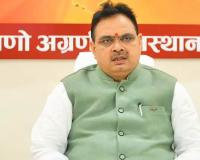
The measures, which will come into effect from Friday, include a mandatory two-day work-from-home policy for government offices, strict limits on the use of official vehicles, and a significant reduction in the chief minister’s official convoy by nearly 60 per cent. The revised convoy will now consist of only four vehicles, including two electric vehicles, marking a deliberate shift towards cleaner official mobility.
As part of a broader public campaign titled “My India, My Contribution,” the government will promote fuel conservation and efficient governance practices across the national capital. Every Monday will be observed as “Monday Metro,” under which all ministers, officers, and government employees will be required to commute using the metro rail system. The administration has also urged citizens to observe one “No Vehicle Day” each week to reduce fuel consumption.
The government has further announced a complete freeze on the purchase of petrol, diesel, and electric vehicles for the next six months. In addition, transport allowance for government employees will be increased by 10 per cent.
In a major administrative restriction, the Delhi government has imposed a one-year ban on official foreign travel for all ministers and officers. A 90-day awareness campaign will also be launched to encourage public participation, during which citizens will be administered a pledge focused on savings, responsible consumption, and nation-building.
To curb electricity usage in government offices, air conditioning systems will now be regulated between 24 and 26 degrees Celsius. Master switches will also be installed in offices to eliminate unnecessary electricity consumption.
The measures follow Prime Minister Narendra Modi’s public appeal urging citizens to actively contribute to protecting the Indian economy from the ripple effects of ongoing geopolitical tensions, including disruptions linked to the conflict in West Asia. He called for increased use of public transport, including metro rail systems, carpooling, adoption of electric vehicles, and a revival of remote working practices such as online meetings and virtual conferences, which were widely used during the Covid-19 period to improve efficiency and reduce fuel consumption.
The Prime Minister also urged citizens to avoid non-essential purchases of imported goods and unnecessary overseas travel to help conserve foreign exchange reserves. Officials have emphasized that the initiative is not austerity but economic prudence, distinguishing it from expenditure cuts, as it focuses on efficiency and resource optimization rather than withdrawal of public spending.
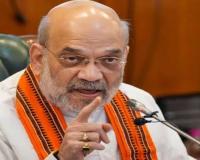
Prime Minister Modi and Union Home Minister Amit Shah have also reduced the size of their official convoys, with a gradual push towards increased adoption of electric vehicles in government mobility.
The sweeping reforms signal a coordinated policy shift towards energy conservation, fiscal discipline, and sustainable governance at a time of heightened global economic uncertainty, positioning fuel efficiency and responsible consumption as central pillars of administrative and public conduct.
About The Author







Comment List